
Best Retinol Cream: Your Ultimate Guide to Glowing Skin
What is the Best Retinol cream? Retinol is not just a trendy term in skincare. It is one of the best ingredients for anti aging. It reduces the appearance of fine lines and wrinkles. It also helps improve skin texture and makes your skin look brighter and younger.
With hundreds of options and conflicting advice online, knowing where to start can feel overwhelming. This guide will explain retinol creams. It will help you find the right one for your skin. It will also show you how to use it safely and effectively.
What is Retinol Cream?
Retinol is a form of vitamin A. It helps cells renew, increases collagen production, and reduces signs of aging. Retinol cream refers to topical products that deliver retinol in a moisturising base, ideal for nighttime skincare routines. It works by increasing skin renewal, leading to improvements in tone, texture, and radiance over time.
Retinol vs Tretinoin – What’s the difference?
| Feature | Retinol (OTC) | Tretinoin (Prescription) |
|---|---|---|
| Strength | Gentle, lower potency | Strong, high potency |
| Availability | Over the counter (cosmetic skincare) | Prescription only (in the UK) |
| Speed of Results | Slower, gradual improvement | Faster, visible results sooner |
| Irritation Risk | Mild (less peeling/redness) | Higher risk (peeling, redness, dryness) |
| Best For | Early ageing prevention, mild texture & tone issues | Acne, pigmentation, deeper wrinkles |
| How it Works | Converts to retinoic acid in the skin | Already active retinoic acid |
| Use | Long-term, gentle introduction | Short or long-term, under supervision |
The Risks of Overseas Pharmacy Tretinoin
The recent trend of buying skincare “hauls” from overseas pharmacies on TikTok and Instagram seems appealing. However, tretinoin is not like a moisturiser you can easily add to your routine.
Even when it is real, tretinoin is a strong prescription medicine. It needs the right dose, formulation, skin preparation and medical oversight to prevent irritation and damage.
Without consultation, people often use too much product or use it too often. They may also mix it with strong exfoliants. This can cause:
- Peeling
- Redness
- long-term sensitivity.
A proper prescription ensures tretinoin is safe, when tailored to your skin, and part of a full treatment plan not just a viral trend.
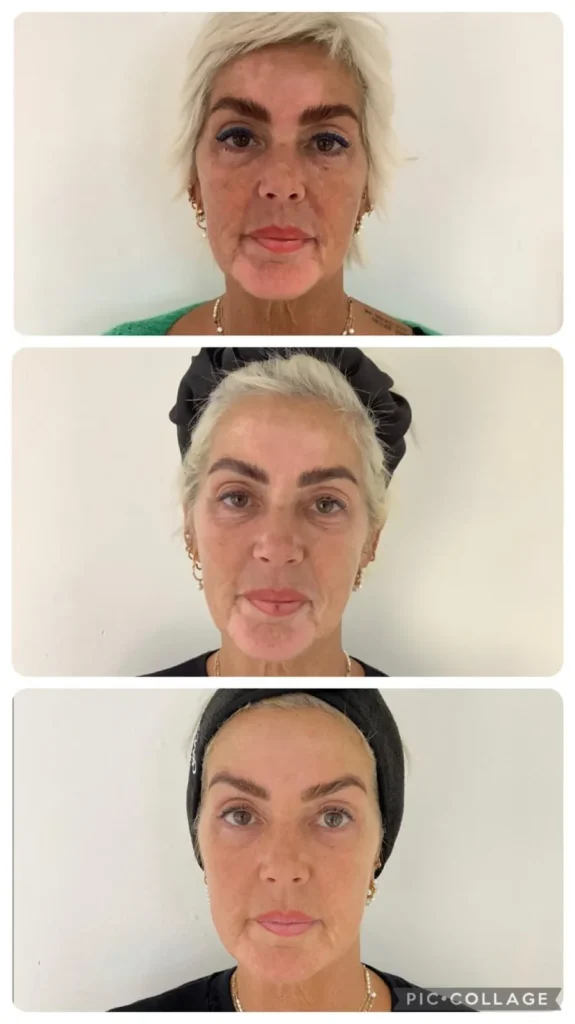
Key Benefits of Retinol Cream
Reduces Fine Lines and Wrinkles
Retinol stimulates collagen synthesis, which helps minimise the appearance of fine lines and wrinkles.
Improves Skin Texture
By encouraging cell turnover, retinol smooths uneven skin texture and promotes a more radiant complexion.
Targets Acne and Congestion
Retinol unclogs pores and reduces breakouts by preventing the build-up of dead skin cells.
Fades Pigmentation
Sun spots, reduces pigmentation (melasma) and post-acne marks often fade with consistent retinol use.
Boosts Radiance
With regular use, retinol cream reveals fresher, glowing skin and a visibly healthier complexion.
Understanding the Types of Retinol Serums
- Retinol (OTC) – Most common, not particularly effective but gentle. N scientific data behind it’s effectiveness.
- Retinaldehyde – Converts more quickly in the skin; slightly stronger.
- Retinoic Acid (Prescription only) – Highly potent; used for severe acne or ageing.
- Retinyl Palmitate – The gentlest option, often found in sensitive skin products.
Each variant impacts the skin differently based on potency and conversion rate.
Who Should Use Retinol Cream?
Retinol products can benefit most skin types combating when used correctly:
- Ageing Skin – To soften fine lines and improve firmness.
- Oily or Acne-Prone Skin – For fewer breakouts and smaller pores.
- Uneven Tone or Texture – Brightens dull skin and smooths rough patches.
- Post-Acne Scars and Hyperpigmentation
People with sensitive skin, eczema, rosacea, or who are pregnant should be careful. Always consult a healthcare provider first.
How to Introduce Retinol Cream into Your Skincare Routine
- Start Slow – Use 2–3 times per week in the evening.
- Pea-Sized Amount – That’s all you need for your entire face.
- Apply on Dry Skin – Moist skin increases absorption and irritation risk.
- Moisturise Afterwards – Use a barrier-repair cream or sandwich technique.
- Always Use SPF – Retinol increases sun sensitivity.
Pro tip: If you have sensitive skin, use the “sandwich method” apply moisturiser, then retinol, then moisturiser again.
Side Effects of Retinol What to Expect (And Manage)
- Dryness, flaking or redness in the first few weeks
- “Retinol purge” – temporary breakouts as cell turnover increases
- Sun sensitivity – Cleansing in the morning and using a good quality factor 50 SPF is essential
These usually settle as the skin adapts. If irritation persists, reduce usage or try a lower strength.
Best Retinol Cream in 2025
In the UK there are lot’s of medical grade skincare brands for Retinol available. Brand doesn’t matter if it’s the wrong formula for your skin your plan does. Some of the best evidence backed brads you commonly see in clinics are:
- Obagi – pigmentation, acne, serious texture change – Exthetics Exeter preferred brand!
- ZO Skin Health – resurfacing, oil control, ageing skins
- SkinCeuticals – antioxidant science (vit C), post-procedure care
- Medik8 – gentle but effective retinoids and acids, great for newbies
- AlumierMD – customisable systems for rosacea, acne and melasma
You should base the importance of choosing your treatment around the consultation. Ensure that you get a full consultation with a qualified medical professional who specialises in skin health.
Why Choose Exthetics for your Retinol Prescription
At Exthetics, every consultation is with a qualified nurse. Our nurse prescriber, Anna Lee, oversees all consultations. We take a holistic approach to skin, our consultations include:
- A detailed discussion about your medical history and skincare goals
- OBSERV 520X skin scan and analysis highlighting skin hydration, pigmentation, texture, and vascular issues
- A member of the nursing team will examine at your skin. Anna will then decide on your treatment and prescription.
- Recommendations for treatments and products best suited to your skin type
- Opportunity to ask questions and discuss your concerns

Final Thoughts
Retinol cream remains one of the most effective tools in modern skincare. Whether you are dealing with acne, reducing wrinkles, or boosting your glow, choosing the right product is important. Using it correctly is also key to success. Always wear SPF, start slow, and listen to your skin.
Disclaimer: Always talk to a qualified skincare expert before starting new treatments. This is important if you have sensitive skin or medical issues. Appointments available now with Anna & Rachel our professional nursing team.
How long does retinol take to work?
You may notice improvements in 4–6 weeks, with full results after 3–6 months.
Can I use retinol every night?
Eventually, yes. But begin with 2–3 times a week to allow your skin to adjust.
Can I use retinol with other actives?
Avoid using alongside vitamin C, AHA/BHA acids or benzoyl peroxide. Pair with ceramides, hyaluronic acid, and SPF.
Is retinol safe long-term?
Yes, when used as directed. Decades of clinical research support long term retinol use.
What strength should I start with?
0.2% to 0.5% is ideal for beginners. Introduce stronger options gradually.